
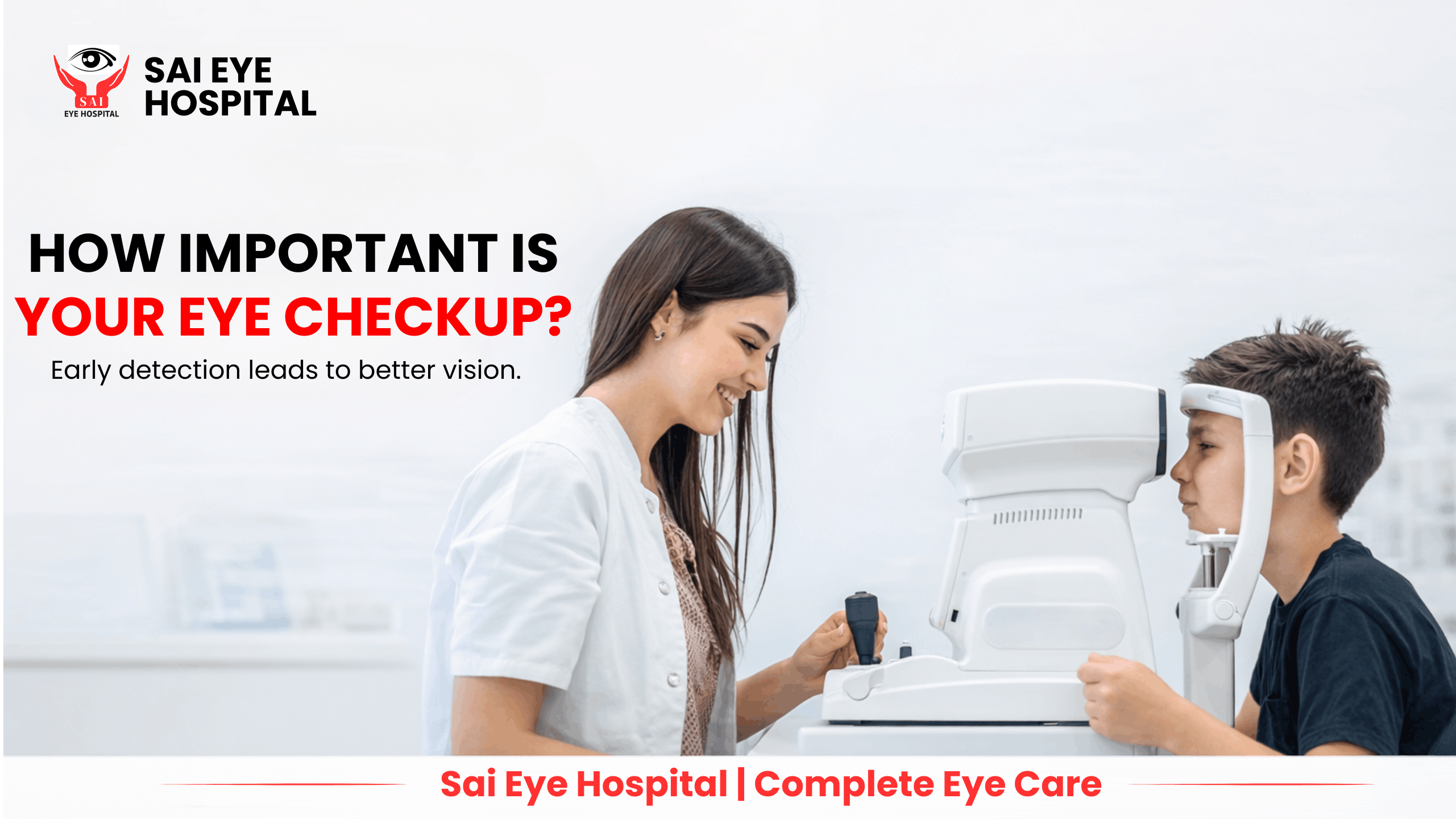
How Important Is Your Eye Checkup?
Introduction
Your eyes are one of the most precious organs of the human body, yet eye health is often taken for granted. Most people visit a doctor only when they experience pain or serious discomfort, but many eye conditions develop silently without showing early symptoms. Regular eye checkups play a crucial role in maintaining healthy vision and preventing long-term eye problems.
Eye examinations are not only about checking whether you need spectacles. They help detect hidden eye diseases, monitor overall eye health, and protect your vision at every stage of life. Early detection truly leads to better vision and a better quality of life.
Why Eye Health Is So Important
Eyes help us see the world, perform daily tasks, work efficiently, and enjoy life. Even a small vision problem can affect productivity, learning ability, confidence, and safety. Poor eye health can lead to headaches, eye strain, fatigue, and difficulty concentrating.
Ignoring eye care may result in serious conditions such as cataracts, glaucoma, diabetic retinopathy, macular degeneration, and even permanent vision loss. This is why regular eye checkups are essential for people of all ages.
What Is an Eye Checkup?
An eye checkup is a comprehensive examination of your eyes conducted by an eye specialist. It includes various tests to evaluate vision clarity, eye pressure, eye muscles, retina, optic nerve, and overall eye health.
A complete eye examination helps in:
-
Detecting vision problems early
-
Identifying eye diseases before symptoms appear
-
Monitoring existing eye conditions
-
Ensuring proper eye development in children
-
Protecting long-term eyesight
Common Eye Problems Detected Through Regular Checkups
Many eye problems develop slowly and painlessly. Regular eye checkups help identify these issues early:
Refractive Errors
Problems such as near-sightedness, far-sightedness, and astigmatism affect clear vision. These can be easily corrected with proper glasses or contact lenses when detected on time.
Cataracts
Cataracts cause clouding of the eye lens and are common with aging. Early diagnosis helps in timely treatment and better surgical outcomes.
Glaucoma
Glaucoma is a serious eye condition that damages the optic nerve due to increased eye pressure. It often shows no early symptoms and can lead to permanent vision loss if untreated. Regular eye checkups are the only way to detect glaucoma early.
Diabetic Retinopathy
People with diabetes are at high risk of developing diabetic retinopathy, which damages blood vessels in the retina. Early detection can prevent severe vision loss.
Age-Related Macular Degeneration
This condition affects central vision and is common among older adults. Routine eye exams help manage the condition effectively.
Importance of Eye Checkups for Children
Children may not always realize or communicate vision problems. Poor eyesight can affect learning, reading, concentration, and overall development. Regular eye checkups help detect vision issues early and ensure healthy eye growth.
Eye examinations in children can help identify:
-
Lazy eye (amblyopia)
-
Squint (strabismus)
-
Refractive errors
-
Eye coordination problems
Early treatment can significantly improve vision and prevent long-term complications.
Eye Checkups for Adults and Working Professionals
Adults often experience eye strain due to long hours of screen usage, mobile phones, and computers. Regular eye checkups help manage digital eye strain, dryness, blurred vision, and headaches.
For working professionals, eye exams ensure:
-
Correct vision for daily tasks
-
Reduced eye fatigue
-
Prevention of work-related vision problems
-
Improved comfort while using digital devices
Eye Care for Senior Citizens
As we age, the risk of eye diseases increases. Regular eye checkups are especially important for senior citizens to monitor age-related eye conditions and maintain independence.
Routine eye exams help seniors:
-
Detect cataracts and glaucoma early
-
Monitor age-related vision changes
-
Maintain safe mobility and balance
-
Improve overall quality of life
How Often Should You Get an Eye Checkup?
The frequency of eye checkups depends on age, lifestyle, and medical history:
-
Children: At least once every year
-
Adults (18–40 years): Every 1–2 years
-
Adults (40+ years): Once a year
-
Diabetic patients: As advised by an eye specialist
-
People with eye problems: Regular follow-ups as recommended
Signs You Should Never Ignore
Even if you have regular checkups, consult an eye specialist immediately if you experience:
-
Blurred or double vision
-
Frequent headaches
-
Eye pain or redness
-
Sensitivity to light
-
Dry or watery eyes
-
Difficulty seeing at night
Ignoring these symptoms may lead to serious eye complications.
Benefits of Early Detection
Early detection of eye problems offers many benefits:
-
Easier and more effective treatment
-
Lower risk of vision loss
-
Reduced treatment costs
-
Better long-term eye health
-
Improved quality of life
This is why the message “Early detection leads to better vision” is so important.
Role of Technology in Modern Eye Care
Modern eye hospitals use advanced diagnostic equipment to provide accurate and reliable results. Advanced eye testing machines help detect even the smallest changes in eye health, ensuring timely treatment and better outcomes.
At Sai Eye Hospital, advanced technology combined with experienced eye specialists ensures comprehensive and personalized eye care for every patient.
Why Choose Sai Eye Hospital for Eye Checkups?
Sai Eye Hospital is committed to providing high-quality eye care services with a patient-centered approach. The hospital offers:
-
Comprehensive eye examinations
-
Advanced diagnostic technology
-
Experienced and skilled eye specialists
-
Personalized treatment plans
-
Comfortable and patient-friendly environment
The goal is not just to treat eye problems but to protect and preserve vision for life.
Preventive Eye Care Tips
Along with regular eye checkups, you can maintain healthy eyes by:
-
Taking breaks from screens
-
Eating a balanced diet rich in vitamins
-
Wearing protective eyewear
-
Staying hydrated
-
Managing chronic conditions like diabetes
-
Avoiding self-medication for eye problems
Conclusion
Your eyes deserve the same care and attention as the rest of your body. Regular eye checkups are essential for maintaining healthy vision, detecting problems early, and preventing serious eye diseases. Whether you are a child, a working professional, or a senior citizen, timely eye examinations play a vital role in lifelong eye health.
Remember, clear vision is not a luxury—it is a necessity. Schedule regular eye checkups, take preventive measures, and trust experienced eye care professionals to protect your vision.
Early detection leads to better vision—and better vision leads to a better life.